Every being
«For a thousand and one thousand years, the human face has been speaking and breathing,
we still have the impression that he hasn't yet begun to say
what he is and what he knows».»
Antonin Artaud
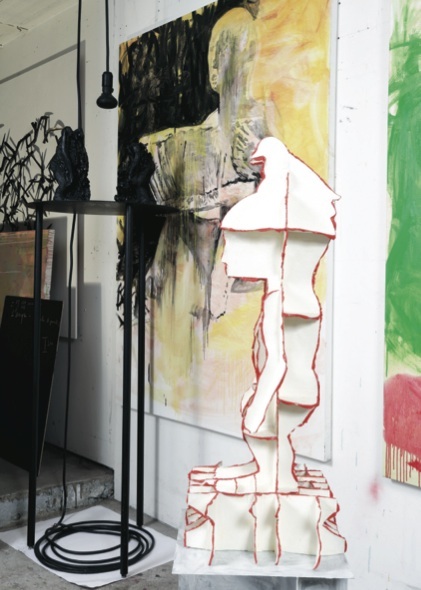
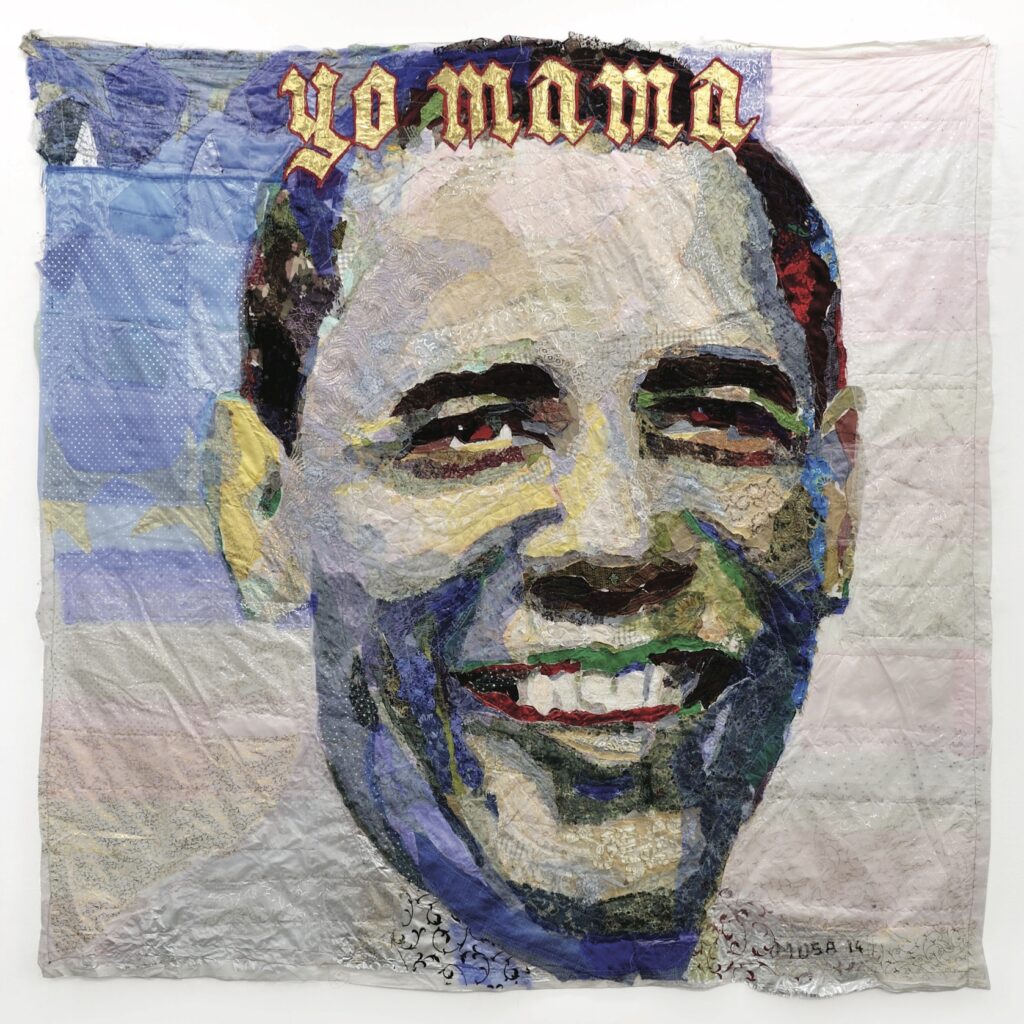
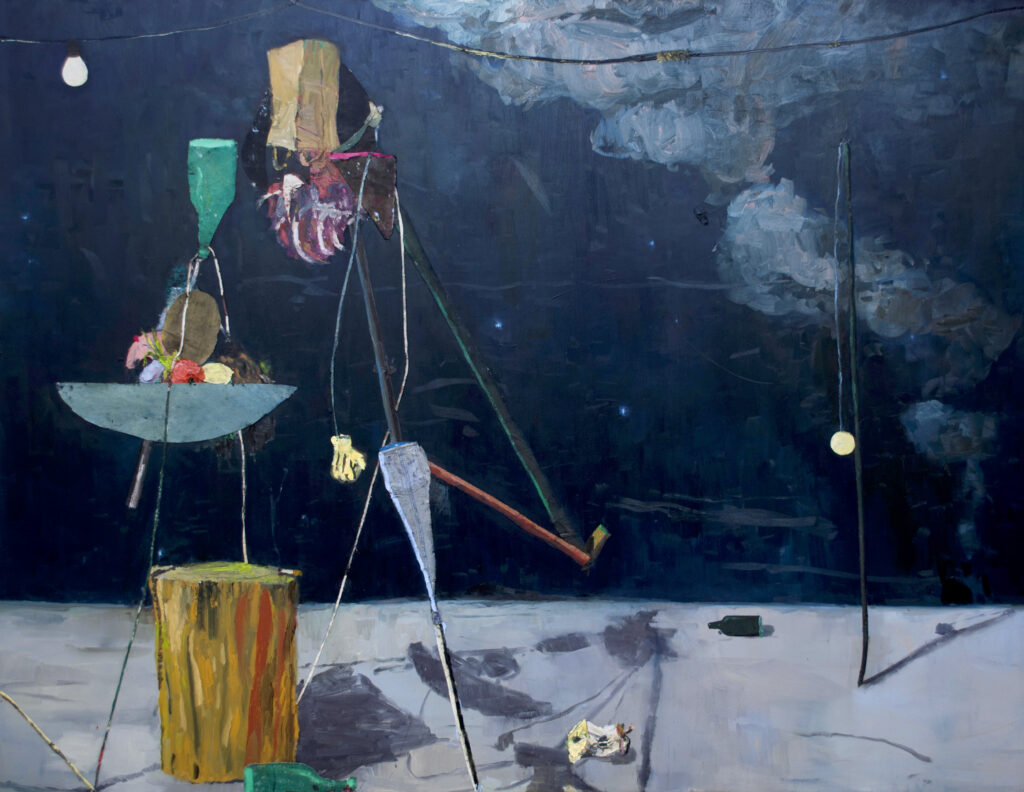
From Rembrandt Harmenszoon van Rijn to Vincent Van Gogh and Helene Schjerfbeck, a large number of artists have portrayed themselves, as if it were a necessary step in any artistic practice worthy of the name; indeed, they have made it the almost sole subject of their research, as Ludivine Gonthier explains here. However, self-portraits have long been titled ‘Portrait of the Artist’, introducing a notion of distance between the subject and the person executing it, even though the model and the artist are alone and unique. Representing oneself is as much about ‘being an artist’ as it is about ‘being oneself’. This ‘genre’ of self-portrait therefore aims to deliver to posterity an image of the artist as they wish to appear within their work or the spirit of the time in which they wish to be included. References to art history or to their peers are therefore far from absent: one example is Courbet's iconic ‘Atelier du peintre’ (1855), as are, at the heart of this exhibition, the works of François Boisrond, Irini Karayannopoulou and Hassan Musa.
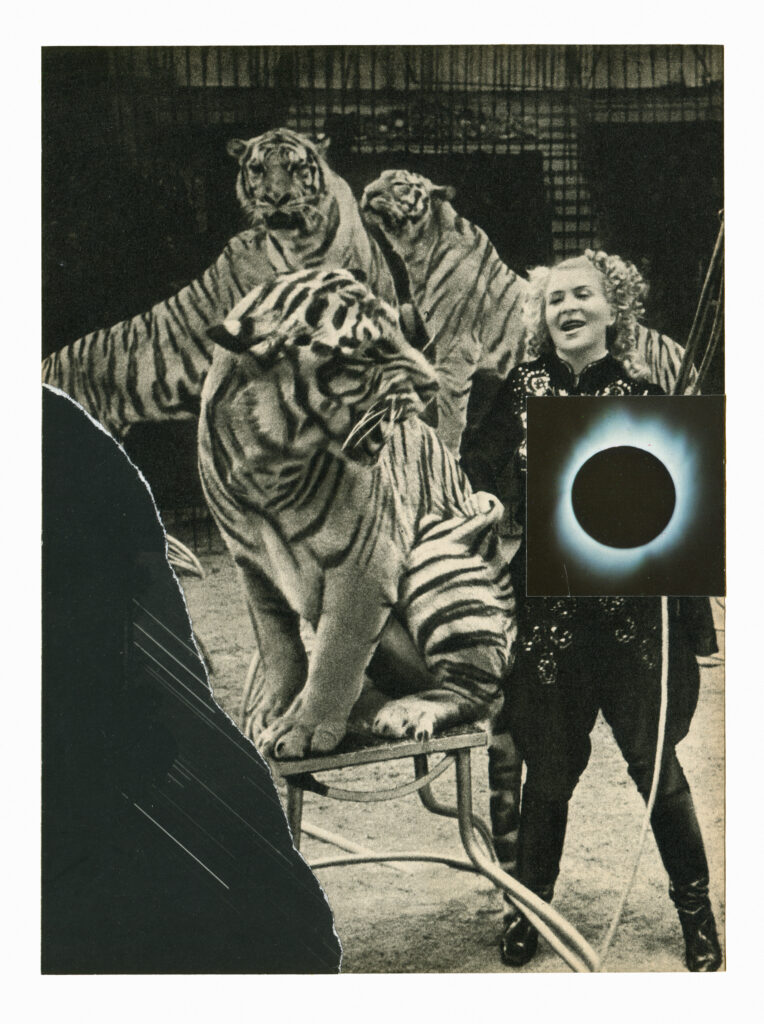
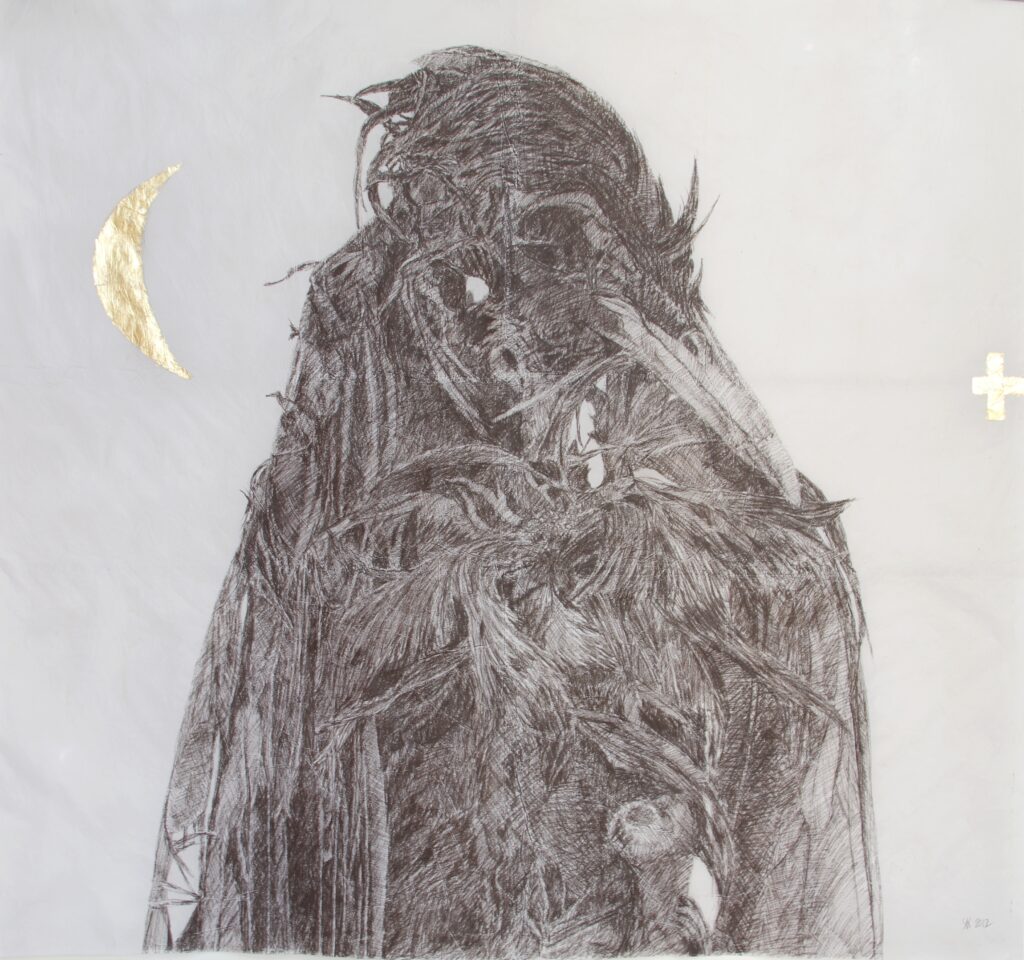
As Nancy Spector points out, the self-portrait ‘lies in the dizzying gap between what is represented, what is seen and what is known.’1 Some artists therefore explore all the possibilities of “being” or ‘not being’ in the image. The works of Damien Deroubaix, Irini Karayannopoulou, Stéphane Mandelbaum and John Stezaker demonstrate this, as the self-portrait appears on the one hand as a complex and multifaceted field of exploration around this perception and affirmation of self, and on the other as an expression of the vital importance of the artist as the actor of their own creation: To create is to create ‘oneself’. To the point, paradoxically, of ‘un-creating’ oneself, as proclaimed by Damien Deroubaix and his masks, where all possibility of expressiveness is gagged, or John Stezaker and his cut-outs, where he seems to exist only through his creators ; an almost aporetic self-awareness.
As Nancy Spector points out, the self-portrait ‘lies in the dizzying gap between what is represented, what is seen and what is known.’1 Some artists therefore explore all the possibilities of “being” or ‘not being’ in the image. The works of Damien Deroubaix, Irini Karayannopoulou, Stéphane Mandelbaum and John Stezaker demonstrate this, as the self-portrait appears on the one hand as a complex and multifaceted field of exploration around this perception and affirmation of self, and on the other as an expression of the vital importance of the artist as the actor of their own creation: To create is to create ‘oneself’. To the point, paradoxically, of ‘un-creating’ oneself, as proclaimed by Damien Deroubaix and his masks, where all possibility of expressiveness is gagged, or John Stezaker and his cut-outs, where he seems to exist only through his creators ; an almost aporetic self-awareness.
And while Pierre and Gilles offer us intimate, memorable, playful and poetic images through the use of photo booths, their profusion nevertheless produces a kind of vertigo that contradicts the very idea of a clean and unique appearance in favour of the shifting, transitory and elusive complexity of the human soul, as Célia Muller's work attests.
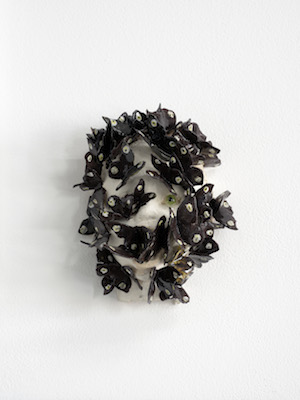
The nature of any representation of the self is therefore much more plural and nuanced than we might think at first glance. So what about the Socratic ‘know thyself’ that should have been at work here? Is the self-portrait, far from being a simple narcissistic projection or a representation of the naked truth of a being, in fact just a text about oneself in constant writing – Myriam Mihindou – or an image of oneself in perpetual development – John Stezaker –?
The games of the ‘I’ are infinite...
Marc Donnadieu
EXHIBITION from 05. 02. 2026 to 14. 03. 2026