The added value of glue
In the age of Photoshop, digital image processing and the Internet, there's something old-fashioned (even childish) about making collages with scraps of paper. It's probably how we all discovered art on a rainy Wednesday afternoon in our childhood. The catalogs of La Redoute or 3 Suisses, With more than 600 pages and items as diverse as toys, Formica furniture and women's lingerie, we had our round-tipped scissors and glue pot at the ready. Cleopatra with the scent of almonds. Collage is the childhood of art.
But once you've decided to make an art of it, it's also one of the most difficult practices there is. Simply placing three cut-outs on a white background is not enough to create a work of art. Like painting, collage follows classic rules: composition, foreground and background, play of color, depth of field and intelligent association of motifs. Finally, to complicate matters, it all has to make sense. But, unlike drawing or painting, the starting elements are «given» by the sources the artist decides to use. Any collage enthusiast will tell you: what counts above all is finding the right starting images.
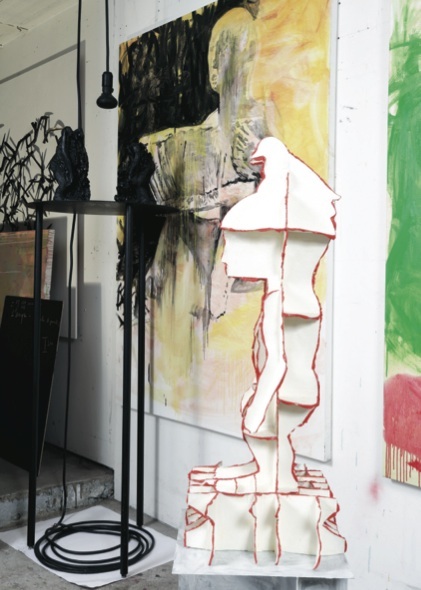
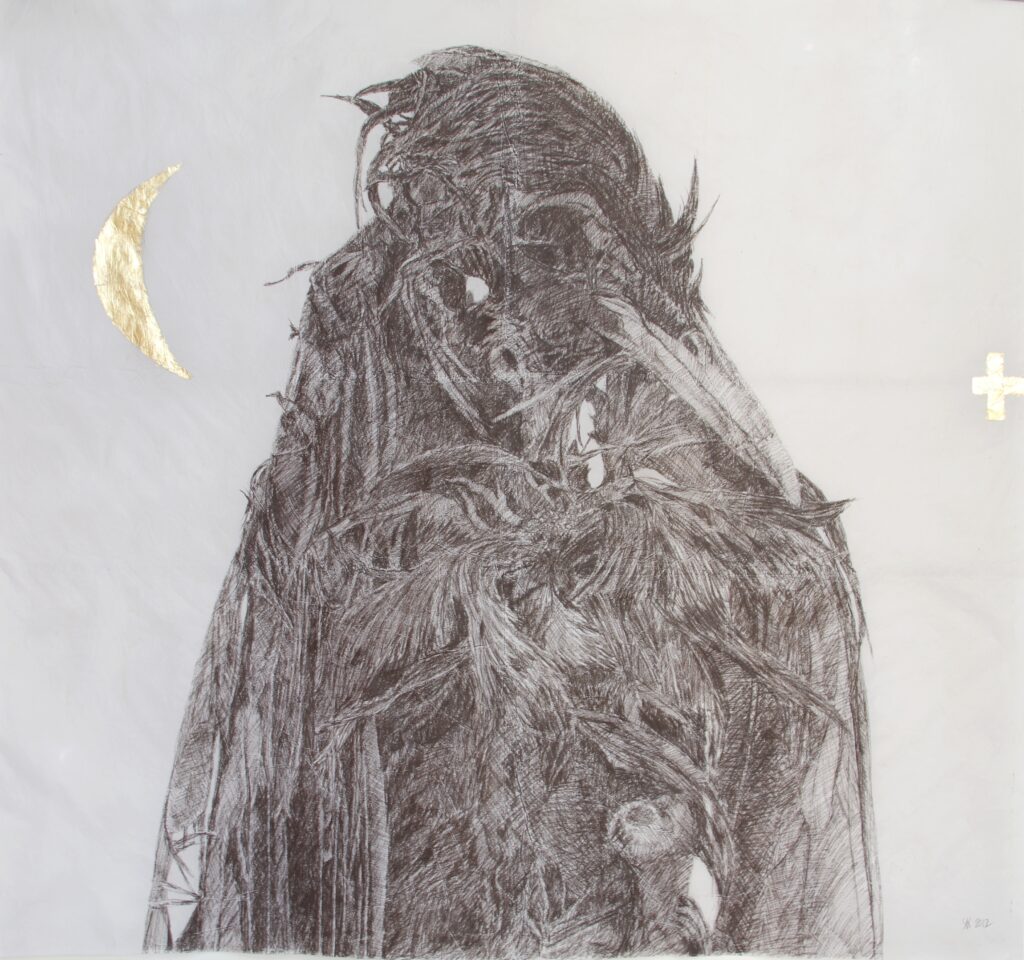
Galerie Maia Muller presents, as part of the exhibition Cut & Paste, The exhibition features some thirty works by twelve artists who, although collage is not necessarily their only mode of working, cut and paste pieces of paper.
The presence of Hannah Höch, the grande dame of Dadaist collage born in 1889 and died in 1978, brings a moment of history and a touch of femininity to the exhibition. In the same vein, Austro-German artist Barbara Breitenfellner - currently in residence at the Cité des subtil et décalé. Femininity and beauty are also present in the works of Kazakh artist Galim Madanov, who applies a light veil of white paper to almost all his collages. A way of saying: you can desire, but you can never possess these bodies and these objects.
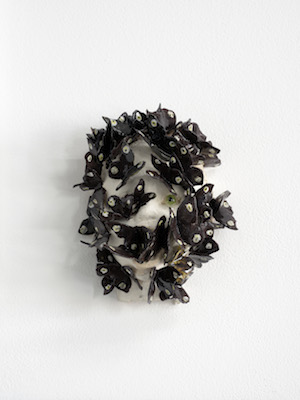
Humor is one of the most present constants in the art of collage. Historically, this can be traced back to its use by the Surrealists, since the juxtaposition of two images is always a source of surprise, friction and discrepancy. (Or, as the Comte de Lautréamont wrote as early as 1869: « As beautiful as the chance meeting of a sewing machine and an umbrella on a dissection table. »). Edwart Vignot, with his chewing-gums glued to black-and-white reproductions of Auguste Rodin sculptures, de-glamorizes the history of sculpture. Following the same principle, Richard Fauguet glues oysters onto postcards depicting famous portraits to reveal their true faces.
Jean-Michel Alberola, on the other hand, combines text and image to explain the reason for and position of the colored stains on his works. Jean Tinguely also uses words, but this time it's addresses and appointments written in ballpoint pen that occupy the space on the page. His two works in the exhibition thus function as mental cartographies, reminders, in the manner of a paper tablecloth that, at the end of a meal, would contain a whole world of futures and projects.
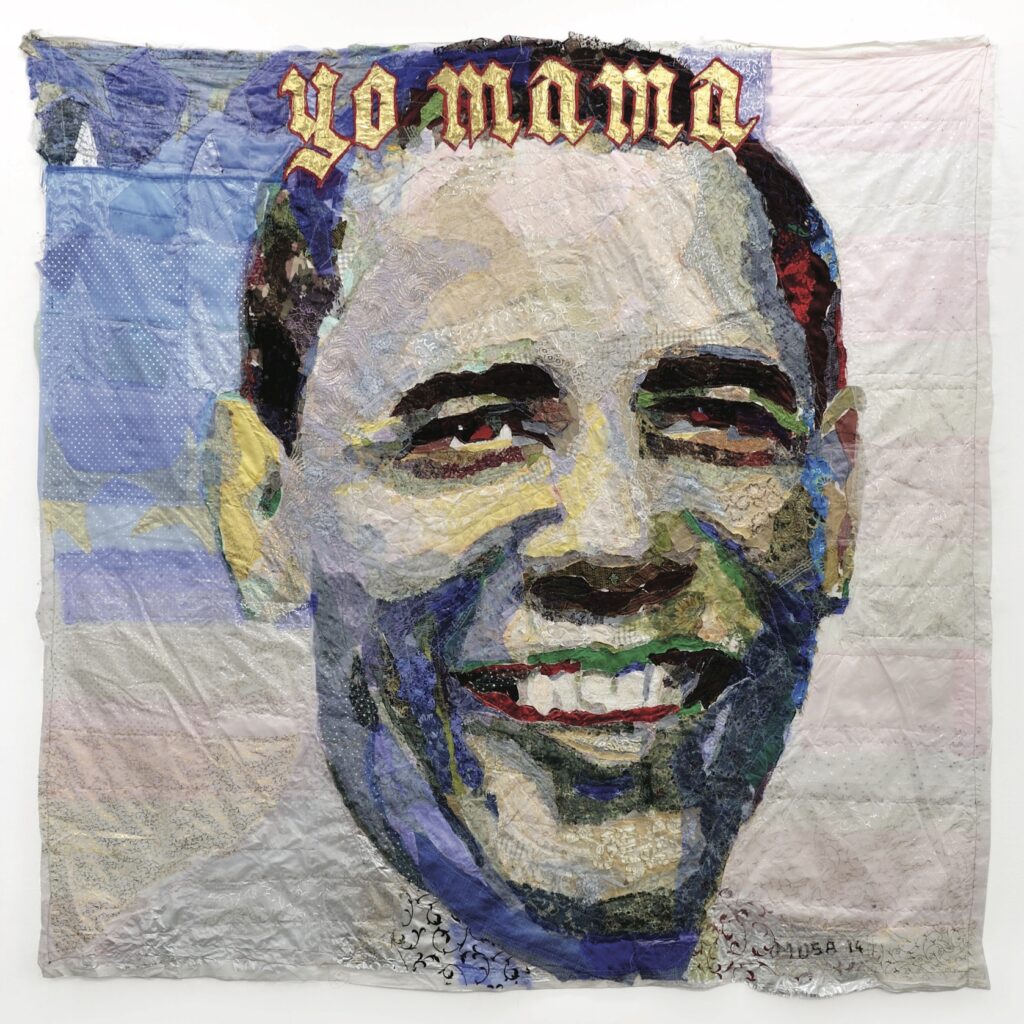
Last but not least, Hassan Musa's politically scathing version of humor attacks America and its clichés, while Damien Deroubaix provokes by combining an arm from a Thrash Metal record sleeve with the eye found on dollar bills to create a hybrid being. Both remind us that, as far back as the 1920s and John Heartfield, collage and photomontage were extremely effective means of political protest, satire and criticism.
But collage can also transcend scraps of paper, going beyond materials and textures. Myriam Mihindou, for example, forgets glue and uses thread and needle to sew her elements onto paper. Camille Fischer combines collage with drawing and watercolour, while Richard Fauguet collects ceramics and glues them vertically to create falsely abstract totemic sculptures. Finally, Israeli artist Chaya Ruckin weaves two sheets of newspaper together using a plaited technique to create a double image reminiscent of the pixels in our computers. She uses pages from the magazine Life dating back to the Second World War - adding a historical dimension to what could be an abstraction. And here, glue isn't even necessary.
The exhibition Cut & Paste presents a range of practices and directions, themes and materials, generations and approaches. In this age of instantaneous computer «cut and paste», collage (with or without glue) is alive and kicking.
Thibaut de Ruyter