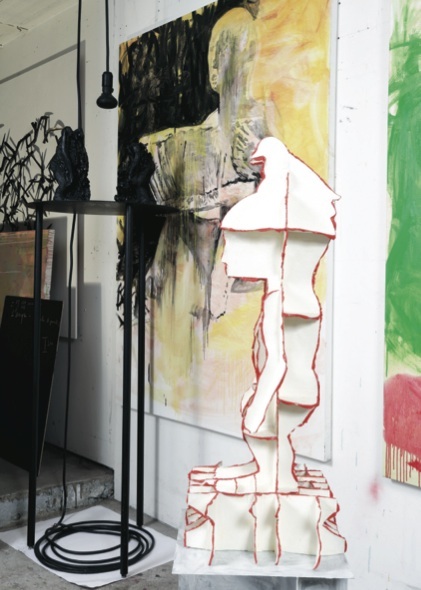
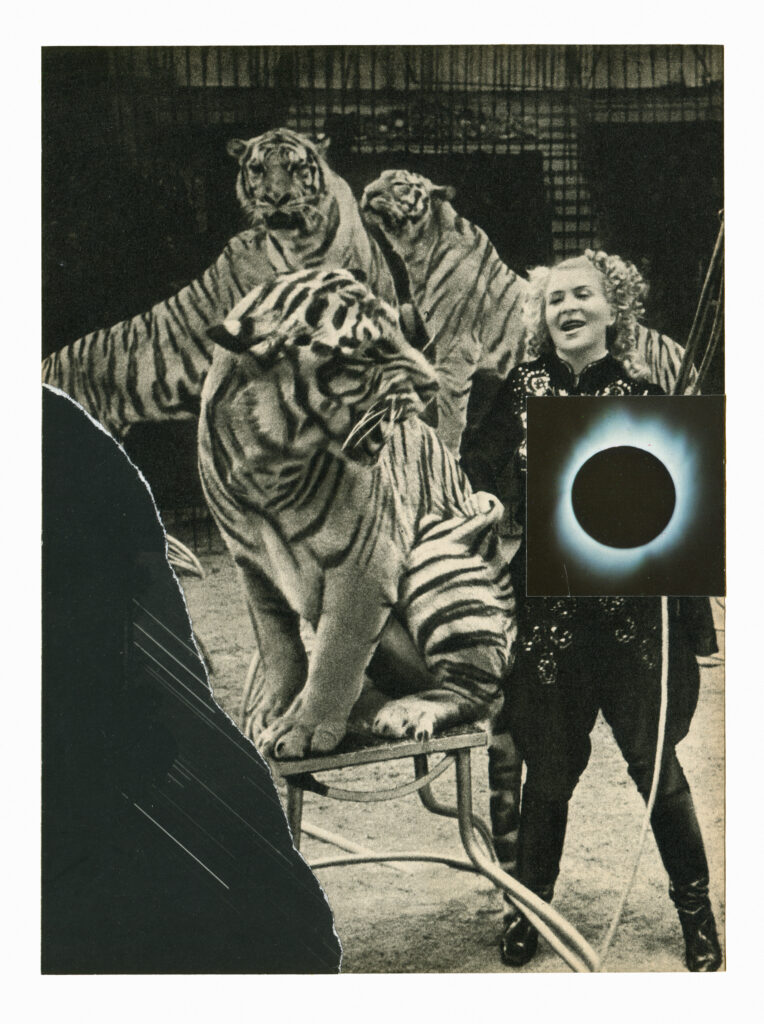
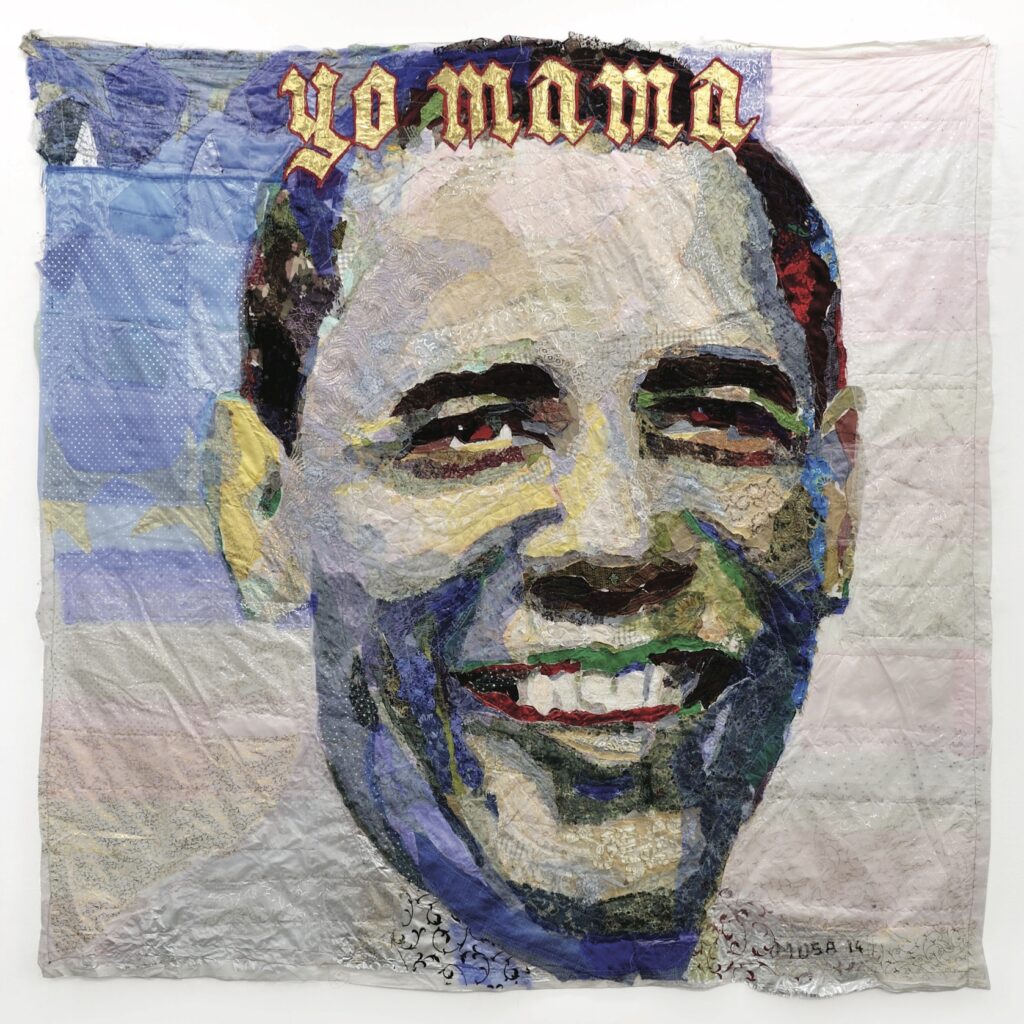
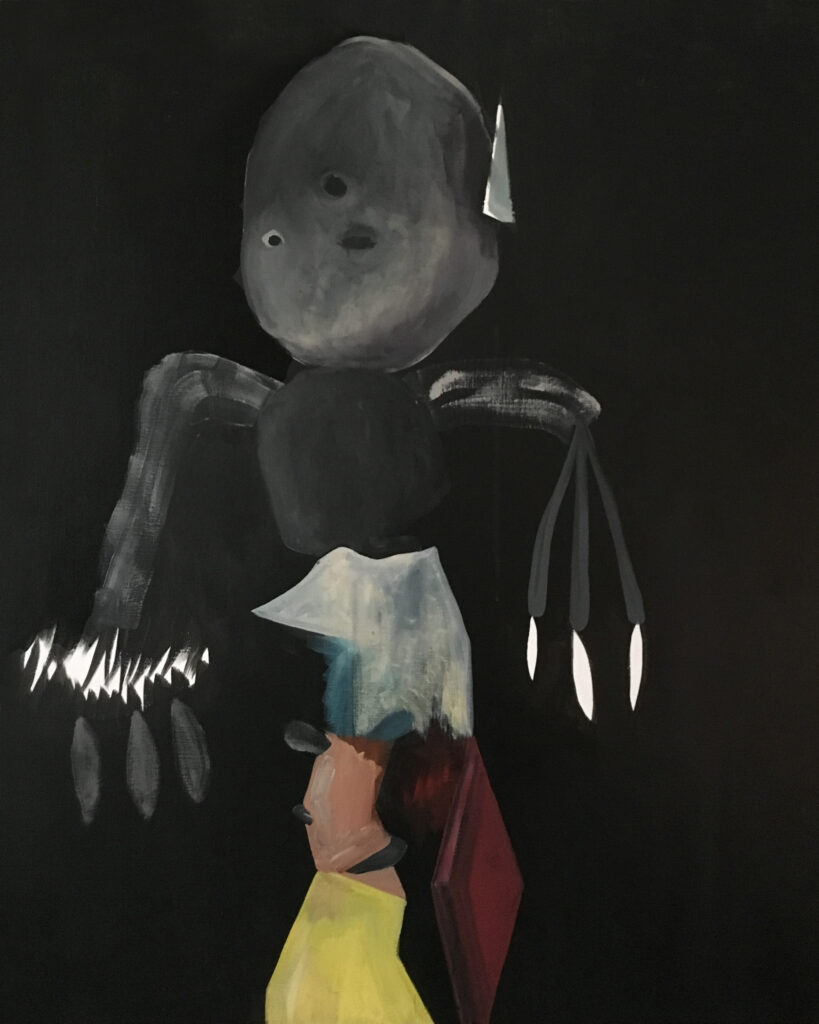
Within the history of art, the history of collage holds an important place since the beginning of the twentieth century. If Picasso and Braque were the pioneers of this art of many techniques, the past and the present of this art count many artists such as John Heartfield, Kurt Schwitters, Hannah Hoch, Max Ernst, Miriam Shapiro, Linder Sterling, Lorna Simpson and Wangechi Mutu. Cubist, Dadaist, Surrealist, collage has both a poetic and a political dimension. It is a question of reconstructing, of making an image, a photograph, a drawing, a painting or a sculpture from disparate documents and materials. In this plastic and gestural dynamic, artists tend to create a new language that registers against a specific history, ideology, set of norms or system. Collage is a place of infinite experimentation towards an alternative and radical aesthetic. In 1920, Wieland Herzfelde (German publisher and brother of John Heartfield) wrote: "The Dadaists say: artists used to spend endless time, love, and effort on painting a body, a flower, a hat or a shadow and so on, but we only need pick up the scissors and cut out what we need from paintings or photographs of these things; if the objects are small we don’t even need the representations, but take the objects themselves, e.g. penknives, ashtrays, books etc. – things which in the museums of old art are wonderfully painted, but only painted.”1 The technique comes from a desire for rupture; a plastic and political revolution. Collage is a statement of modernity that seems not to fade across the generations. The work is characterised by both timeliness and timelessness.
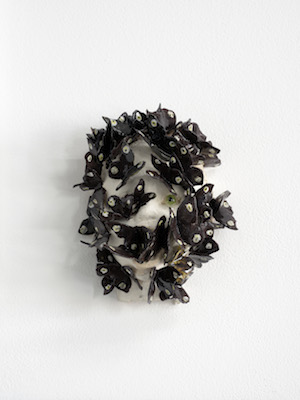
Collage involves gestures related to sculpture. From pre-existing material – archives of all types, printed images, text, objects and raw materials – artists decontextualize, manipulate, collect and cut fragments of this material. These are assembled in multiple ways. Glued, stapled or sewn, the materials are joined by a grafting action that will generate images or monstrous objects. The world of collage is a monster body and a political body. "Order crushes desiring machines that drive corporality. Power manages in an mediated but permanent way intimacy and the management of the person.”2 The resulting work of a collage thus implies a strangeness, an anomaly, a malformation, a difference caused by a refusal of conformity, a will to make visible, to show, that which disturbs, deforms, disfigures and transforms. Through it, modern and contemporary artists dissect and dismantle pre-existing materials to generate new images, new bodies, new stories, new ecosystems.
Julie Crenn