«I hear these songs...»
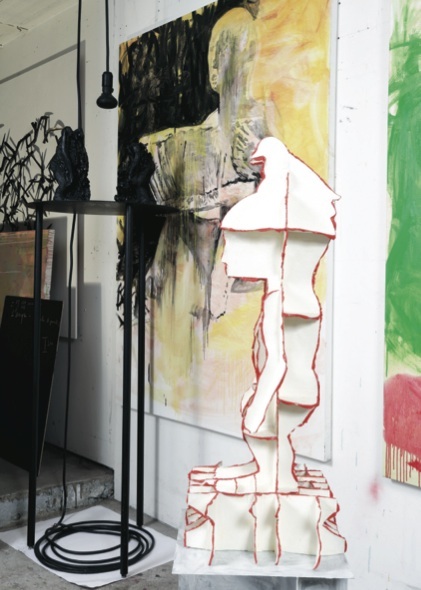
«When I paint here in my studio, in my garden on the Ile Saint-Denis, the songs that accompany the rituals of my homeland come back to me. So I sing and hum every time I paint. For Gaston Damag, the vibration of song is a common thread, one that enables us to feel, connect and create. Born in 1964 in Banaue in the Philippines, Gaston Damag is a man of the Cordillera de Luzon landscape, where rice paddies follow every curve of the high mountains, where man and nature are linked by the work of one and the gift of the other, where animism is still present in thought and ritual. Singing, for the Ifugao, is a way of setting in motion the links forged between people and the land that nourishes them. It allows us to feel, to move our hands, to give thanks and to strive for unity. The principle of unity is the music that carries everyone along. 1
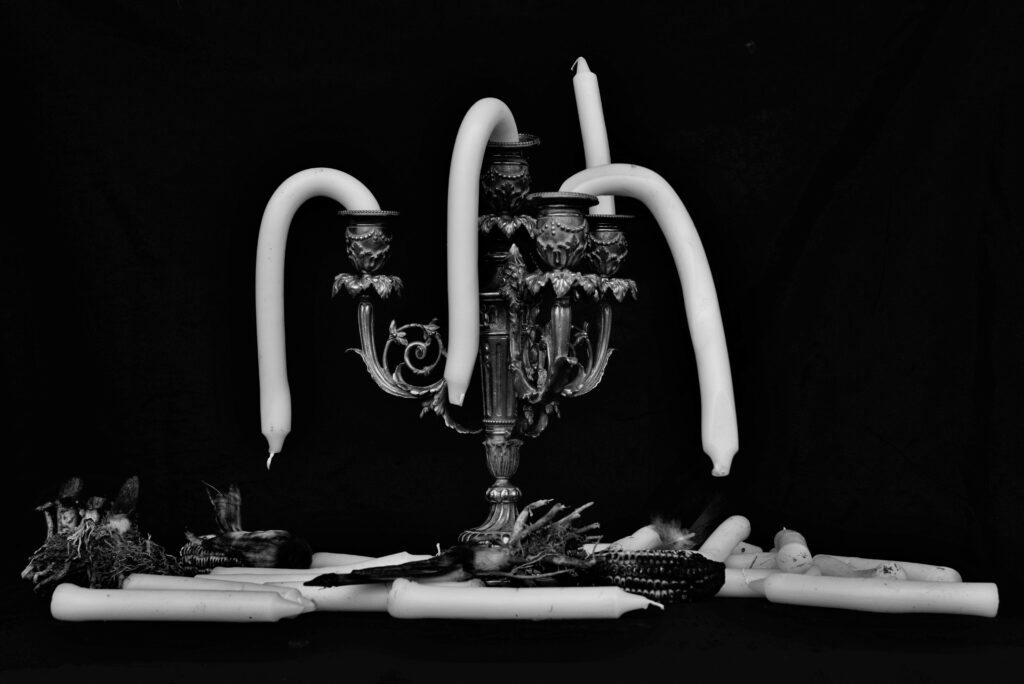
After arriving in France in 1984, Gaston Damag never returned to the Philippines for eighteen years. His dual training, at the Ecole Nationale Supérieure des Beaux-Arts de Paris and the Ecole Nationale Supérieure d'Arts Plastiques de Cergy Pontoise, made him a real treasure. The French sculptor Toni Grand, his teacher at the Beaux-Arts and later his friend, ordered him not to paint or draw while he was still alive. So Gaston Damag turned to the more conceptual art of sculpture and installation. During a stay in New York, he recognized the portrait of his uncles among photographs of the Philippines on display at the American Museum of Natural History. This process of reminiscence was first shaken, and was intensified when he returned to his childhood village in 2002. His works follow the thread of uprooting. They become the receptacle of a singular memory as much as ancestral. The bululs, representations of rice divinities carved in wood by the Ifugao people, are subjected by the artist to multiple detour that reveal the ambiguity of intercultural exchanges.
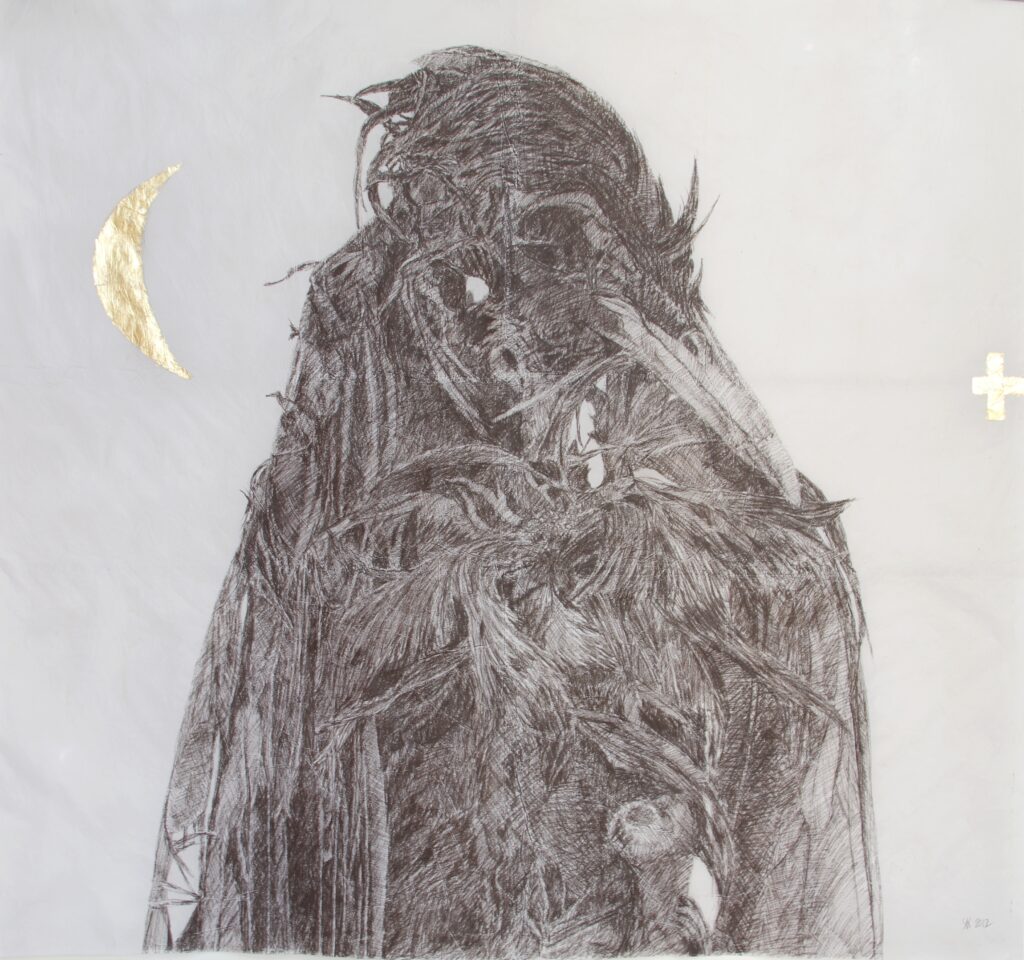
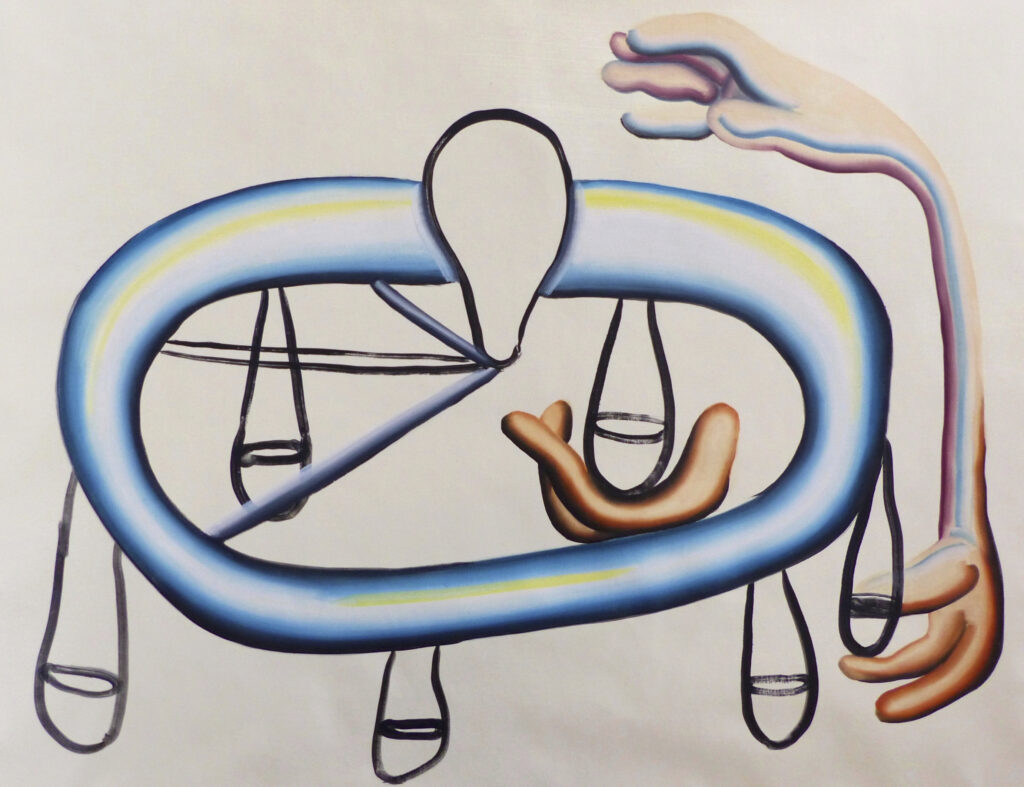
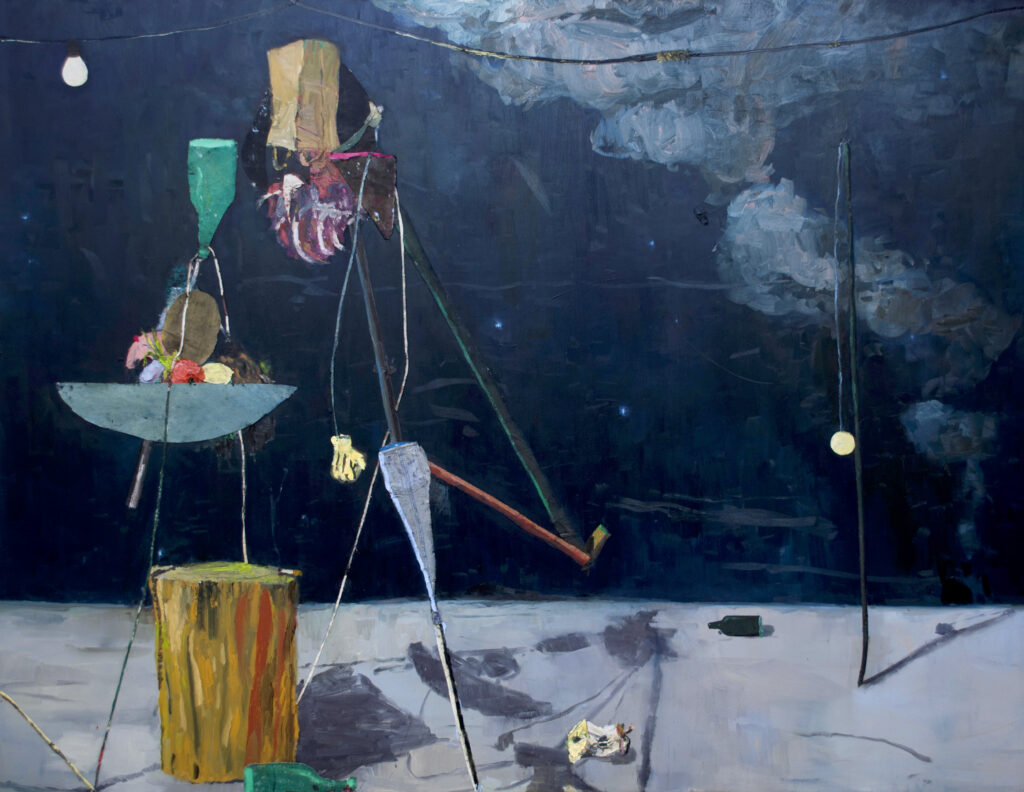
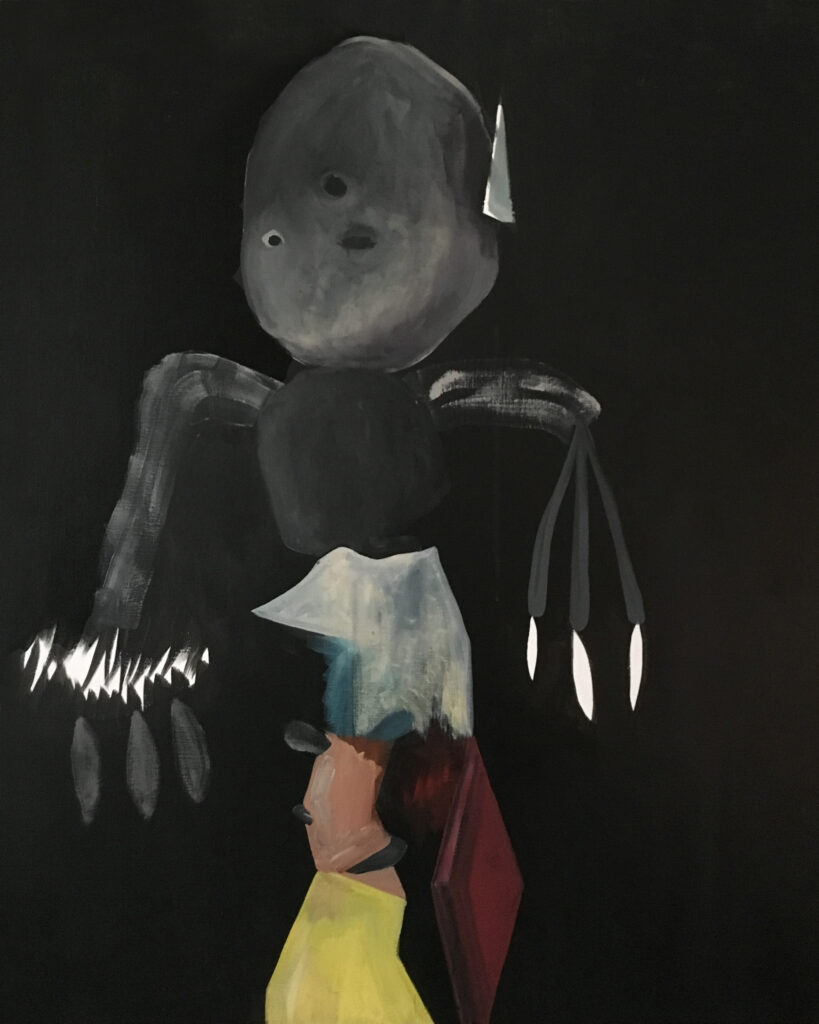
Since the death of Toni Grand, Gaston Damag has returned to painting. «For me, painting is color,» he says. Gaston Damag's painting enchants with its chromatic accents. A gestural painting, it summons flesh and memory, matter and spirit. The whiteness of the original canvas is consputed, quickly erased by sweeping gestures that trace vast fields of color. These are born of fluctuations in which the movement of thought intersects with that of the body. The work extracts itself from amnesia and proceeds in layers. The final motif emerges through a complex hermeneutic, that of a palimpsest painting. This pictorial language, acquired in the course of a Western art education, was strengthened by acquaintances with artists such as Francisco de Goya, Henri Matisse, Gerhard Richter, Georg Baselitz and A.R. Penck. This artistic education," confides Gaston Damag, "dismisses nostalgia. And yet, it is also the link with what remained distant, what had to be kept silent. Increasingly, the artist nurtures an intimate dialogue with his double, the other within him. He questions it, pesters it, cuts off its head, looks at it, avoids the mirror effect. He confides that his relationship with animism returns with age. We readily believe him.
Constance de Monbrison and Sarah Ligner
1. Roustang F. (2003), Il suffit d'un geste, Paris, Odile Jacob, p.116