Born in 1964 in Banaue Ifugao, Philippines. Lives and works in Paris, France
A few dates - 2016: Jusqu'à ce que rien n'arrive, Curator: Pierre Vialle, Maison des Arts de Malakoff, France - 2015: Where is Madame Pschitt, Group Show, Galerie Maïa Muller, Paris, France - 2014 : The Drawing Room, Manila, Philippines / Ifugao Red, Vargas Museum, Manila, Philippines - 2013 : Manila Vice, Musée International des Arts Modestes, Sète, France - 2012 : Bastard of misrepresentation, Gallery Topaz, New York, USA - 2010 : September exhibition, MUDAM, Luxemburg - 2007 : Damag, Ocampo, Deroubaix, Magnet Gallery, Quezon City, Philippines - 2005 : Miserable intentions, Gaston Damag and Manuel Ocampo, Galerie Alimentation Générale d'Art Contemporain, Luxembourg - 2000 : Paris as a stopover, Musée d'Art Moderne de la Ville de Paris, France - 1999 : La Naturaleza de la Cultura, Gaston Damag with Manuel Ocampo, Andalusian Center for Contemporary Art, Seville, Spain
It is struggles that make history. It is struggles that make us. Without them we would have no history, no language, no being.
Ngugi wa Thiong'o - Decolonizing the Spirit (1986).
By studying and observing subjects as vast as anthropology, ethnology or art history, Gaston Damag searches the means of construction of otherness: from what point of view an object, a person or group become exotic? Who is the Other? How to understand them? Why make a difference? With artists such as Kader Attia, Dierk Schmidt, Jimmy Durham or Kendell Geers, he shares a playing field which is that of the ethnographic museum. On the walls, floors and in the windows are presented everyday objects, rituals, costumes, works and documents (written, video, audio) from various civilizations throughout history. The objects, locked, decontextualized and mute, are subject to new orders, new interpretations that distort the reality of a culture. These museums, mainly active in the West, are overflowing with of all kinds collections and ask questions: where do these objects and works come from? How and by whom are they staged? For what story? The artist produces a scathing commentary on museums by pouring acid on the surface of photographs of exhibition showrooms saturated with displays and visitors. A rewriting of history is requested.
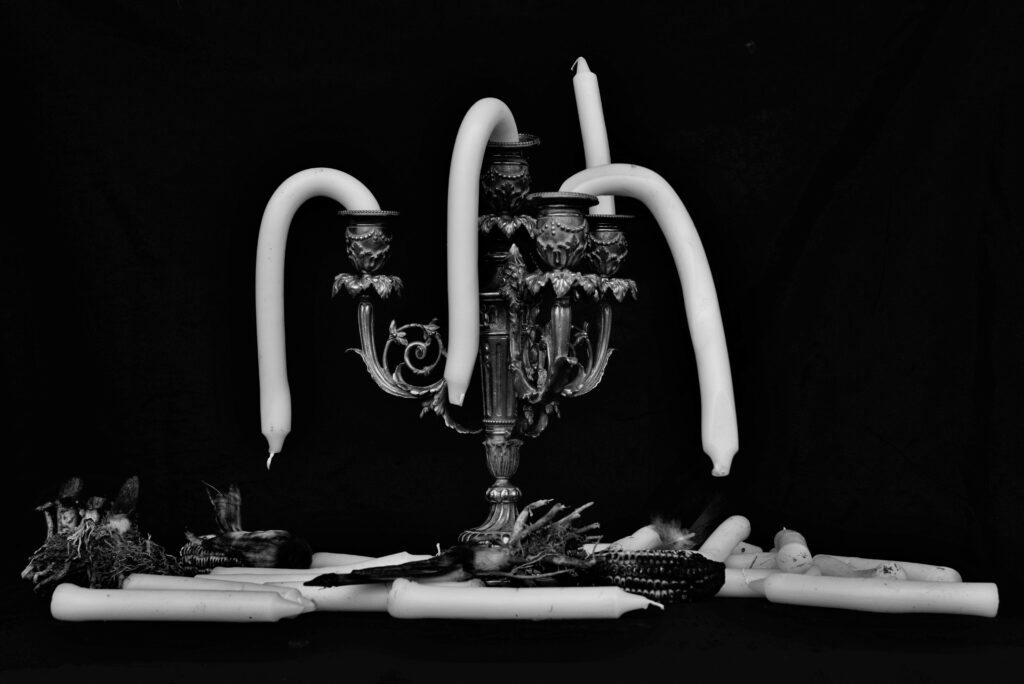
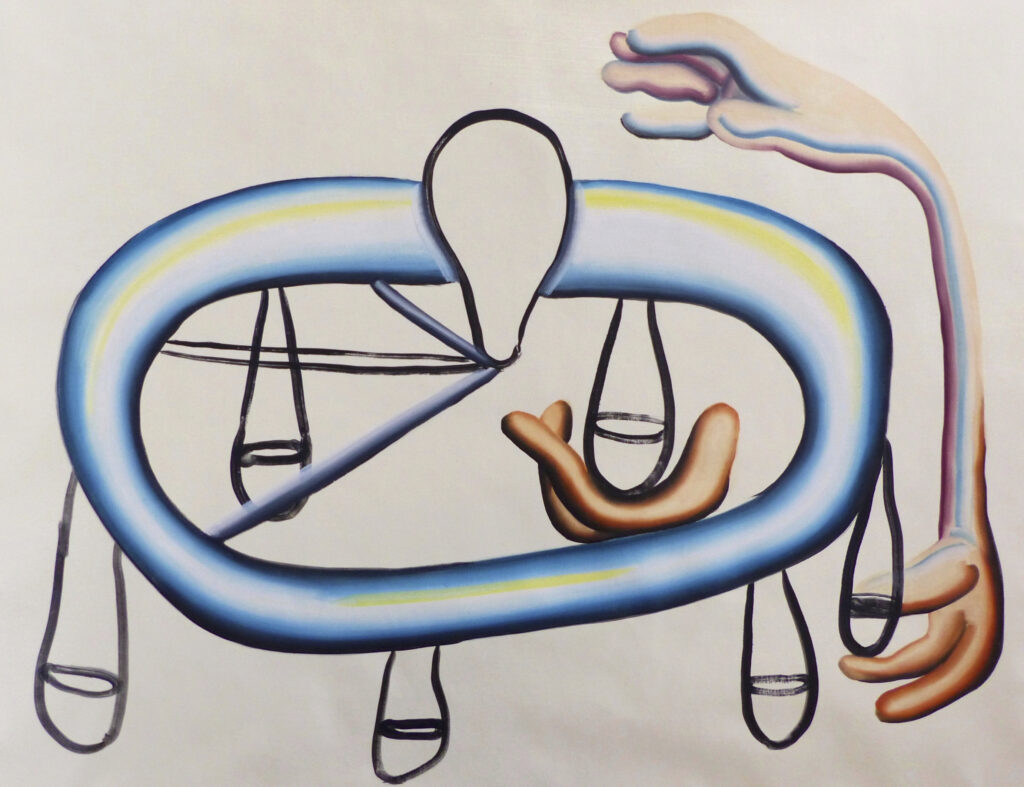
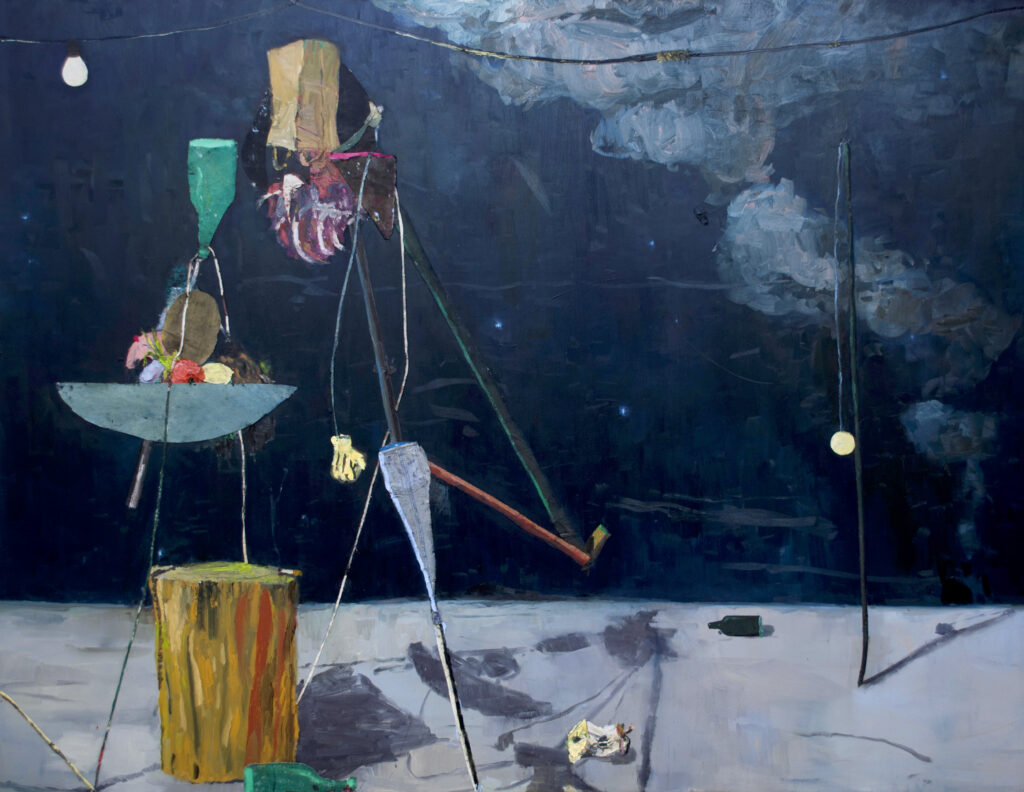
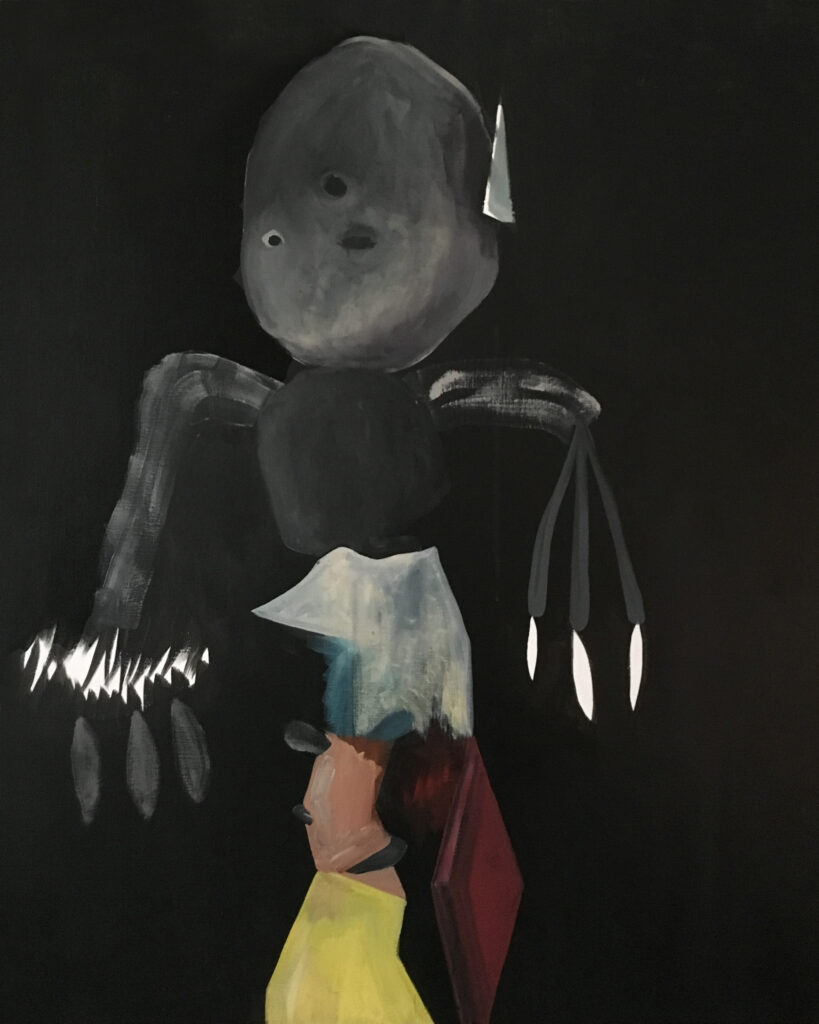
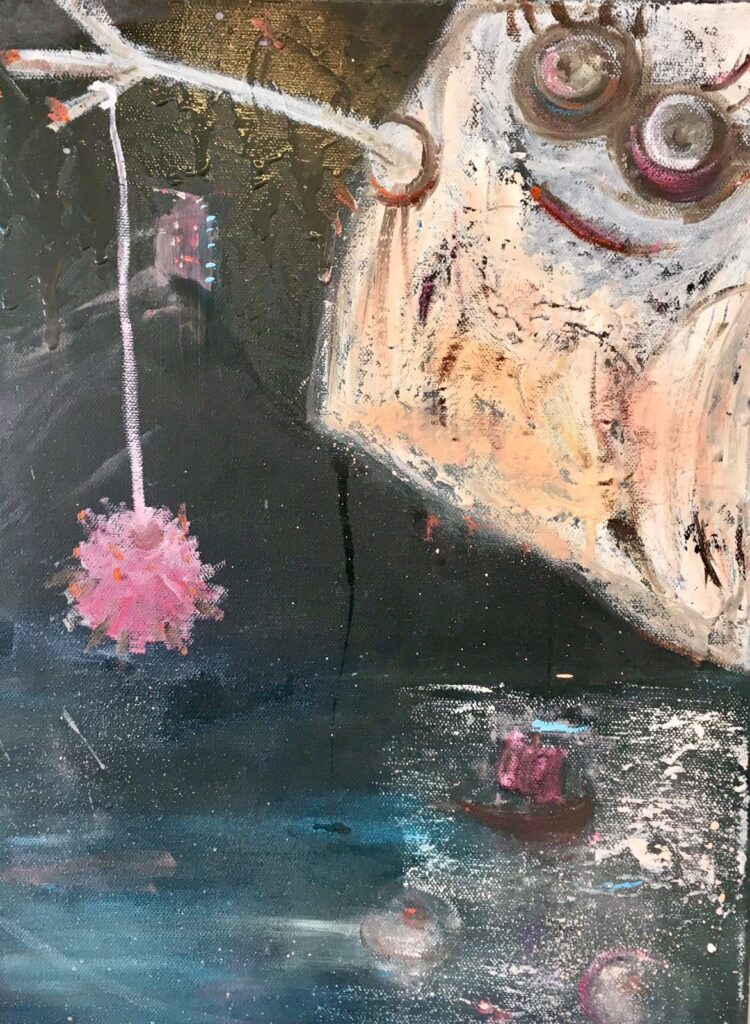
For over thirty years, in the United States as in France, Gaston Damag has experienced this disturbing encounter by discovering Filipino objects removed from their reality. Through them, he finds his own culture, which is - through the scenography and associations - amputated of its meaning and its usage. By observing collections and temporary exhibitions, the artist studies the presentation devices, fixtures and interpretative methods that structure a dominant discourse. Then he takes elements from different cultures: wooden statuettes, knives, idols, masks. They are reproduced, multiplied, decontextualized and restaged. Gaston Damag appropriates museological presentation devices to inject a disruption produced by the merger of anthropology, ethnology and contemporary art. The windows are deconstructed, laminated, broken, mirrors increase the confusion, multiplication demystifies sacred objects. These are, by the way, harvested from markets. The artist is more interested in their market value than their supposed authenticity. Cultural artefacts (Asian, African, South American) sold to tourists in search of exoticism, become subject to a transformation. They are reproduced, moulded, melted, recycled, hybridised, painted, split apart. Some patterns are recurrent, such as Bululs, Philippine statuettes carved in wood that are used in ceremonies to ask for the protection of rice plantations. The Bululs through the whole protean work of Gaston Damag, they are constitutive of his cultural identity and function as an alter ego, which, through repetition and appearance challenge the viewer on a set of distortions, misunderstandings and approximations. His obsessive work of the damaged representation of the Bululs finds an expressionist translation in the heart of paintings animated by the brutality of colours and gestures. From German Expressionism to contemporary painting (Manuel Ocampo, Georg Baselitz, Jonathan Meese), via Francis Picabia and AR Penck, Gaston Damag participates in an uncompromising pictorial movement.
The paintings, photographs, sculptures and installations are involved in the deconstruction of a speech inherited from a persistent colonial history. A story nourished by misunderstandings, deep-rooted stereotypes, denial and contempt. The practice of decontextualisation and manipulation of cultural objects upsets the cultural imperialism, the tired relationship between North and South, between an allegedly dominant culture and an allegedly dominated culture. By the hybridisation of philosophies and of artistic and cultural codes, Gaston Damag opens a critical area where notions of authority and power faint in favour of a lively and uninhibited creation.
Julie Crenn