Give and Take [One Is Good, Two Is Better]
«You can croon to the moon by yourself
You can laugh like a loon by yourself
Spend the lot, go to pot on your own
There are lots of things that you can do alone
But it takes two to tango, two to tango
[...]
It takes two, takes two
Darling, it always takes two
And I’m with you[1] »
Takes Two to Tango, Al Hoffman & Dick Manning, 1952
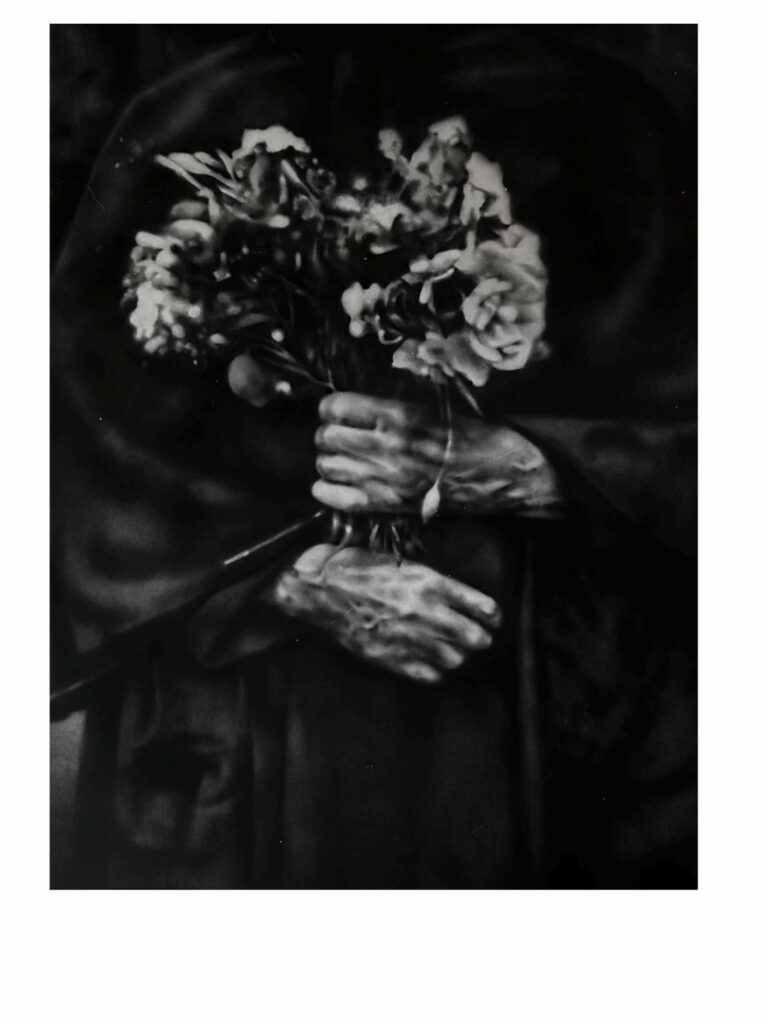
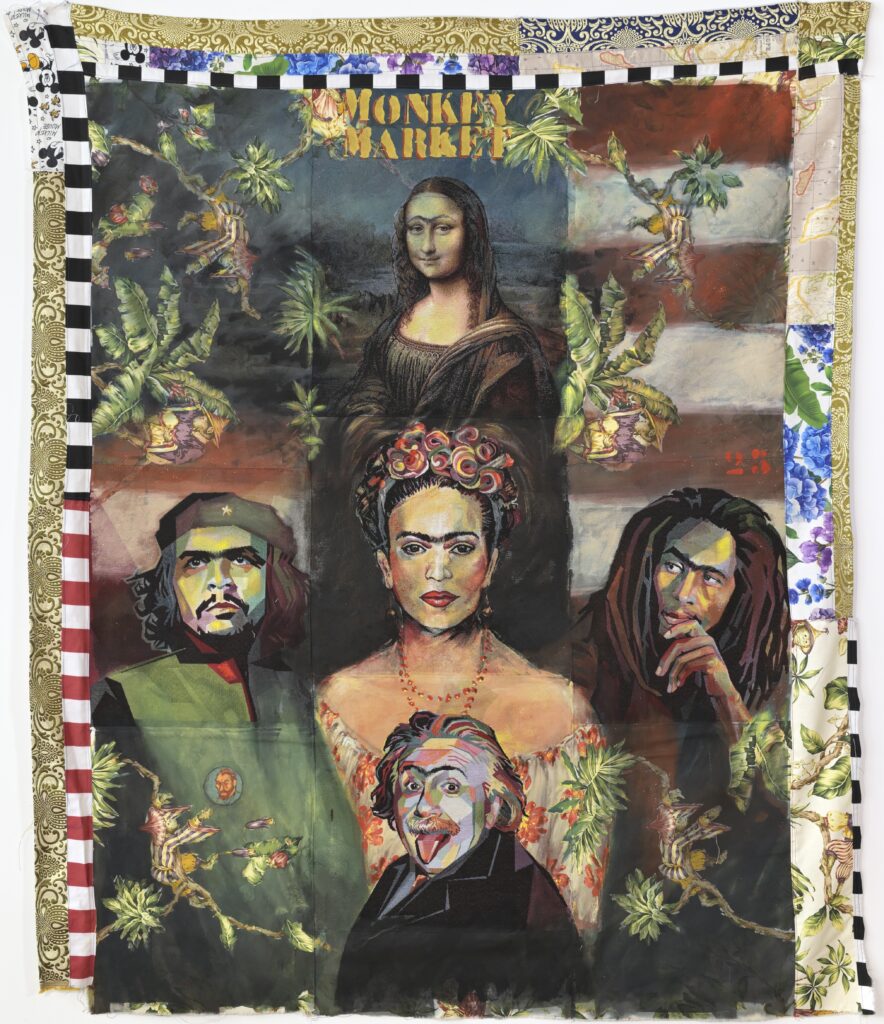
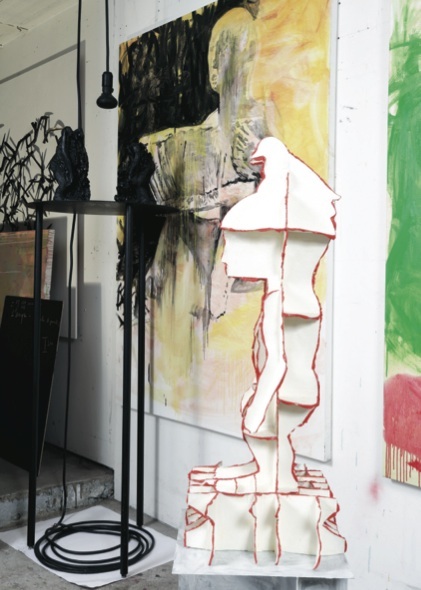
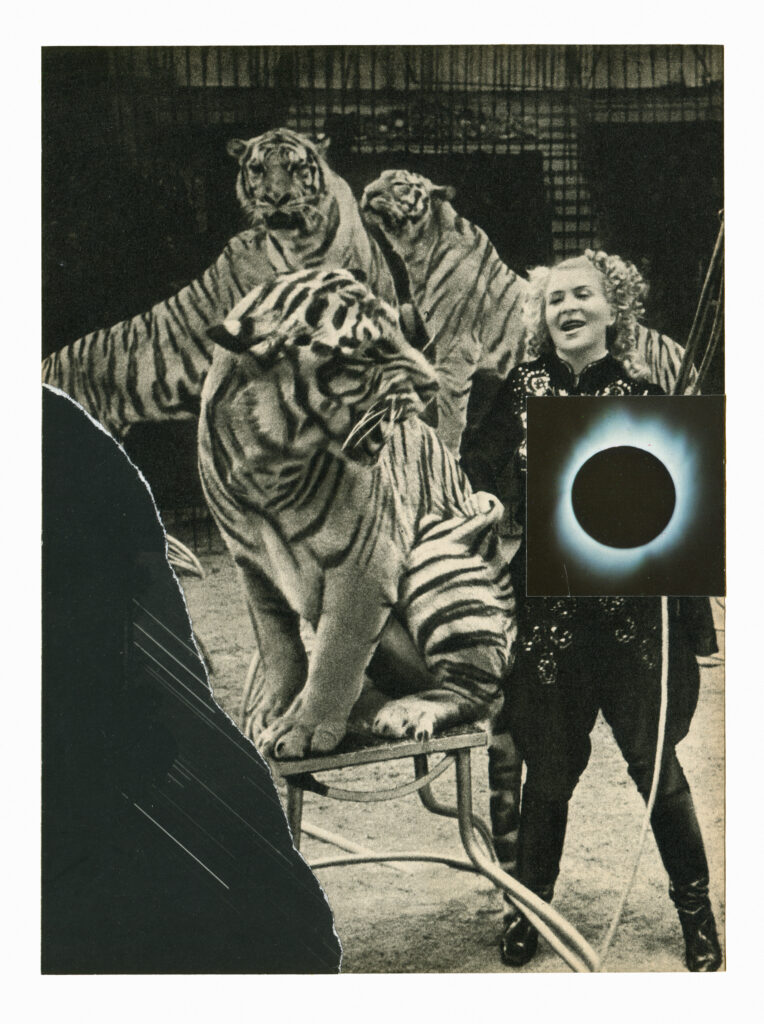
At the beginning of 2026, the exhibition Myself explored our relationship with self and others through a series of self-portraits deliberately situated “in the dizzying gaps between what is represented, what is seen and what is known. ». Nearly nine months later, in the same space at Galerie Maïa Muller in Paris, It Takes Two to Tango now turns its attention to the duo/duel relationships at the heart of artistic creation. Did Nietzsche not declare in his poetic-philosophical work Thus Spoke Zarathustra , aptly subtitled A Book for All and None: “I tell you: one must still have chaos in oneself to be able to give birth to a dancing star. [...] ‘Love? Creation? Longing? Star? What is that?’ — so asks the last man, and he blinks.” The artists brought together for this exhibition seem, then, to be calling out: let us welcome these unknown, uncertain or reckless experiences, so that we may – again and again – bring stars into the world! Literally, in the case of Antonio Seguí or Konrad Klapheck and their dancing couples; allegorically, in Marc Ming Chan’s pairs of dominating figures; ironically, in Gideon Kiefer’s sarcastic aphorisms; carnally, in Walter Pfeiffer’s play of embraces; inevitably, in Pierre et Gilles’ duo of criminal lovers... For at the heart of this Dionysian revelation of the two — of self and other — the “I” senses, feels and makes “sense” precisely because it doubles or redoubles itself for, within or through an otherness that is different and strangely unsettling, yet which more often than not proves to be the surprising reflection of oneself: one’s dancing partner as much as the dance itself. “We can admire another person’s dance only if we are capable of admiring the desire of the other,” as Georges Didi-Huberman observed.
To dance, then, is to affirm life — one’s own life — as an iconic slogan from the AIDS years proclaimed: DANCING = LIVING. It is to welcome life as an event in all its immediacy; to experience fully the sensations generated by the energy of movement without anticipating it, almost without willing or deciding it, as something that simply comes upon us. Nietzsche once again: “This life as you now live it and have lived it, you will have to live once more and innumerable times more; and there will be nothing new in it [...] Oh, how well disposed would you have to become to yourself and to life to long for nothing more fervently than for this ultimate eternal confirmation!” .
Marc Donnadieu
[1] «You can sing to the moon alone / You can laugh like a crazy person alone / Spend all your money, ruin yourself alone / There are plenty of things you can do alone / But it takes two to tango, two to tango [...] It takes two, it takes two / Darling, it always takes two / And I am with you» excerpt from Takes Two to Tango, Al Hoffman and Dick Manning, 1952
[2] Nancy Spector, “Performing the body in the 1970s”, in Rrose is a Rrose is a Rrose: Gender Performance in Photography [catalogue of the eponymous exhibition], New York, Guggenheim Museum, 1997.
[3] Friedrich Nietzsche, Thus Spoke Zarathustra, Prologue, § 5, 1885
[4] See Gilles Deleuze and Félix Guattari, A Thousand Plateaus, Paris, Éditions de Minuit, 1980.
[5] Georges Didi-Huberman, To make thought dance, 2020.
[6] Friedrich Nietzsche, The Gay Science, IV, § 341, 1882-1887